Table of contents
Open Table of contents
Introduction
This certificate proves that you can set up and use HashiCorp Vault as a Secret Management solution for your enterprise. My goal was to understand Secret Management and feel comfortable with other similar solutions such as OpenBao or a Cloud KMS. I studied for about 1-2 months, though I believe less than a month is enough to get the certificate.
Some of my other articles where I have practised with Vault:
- Secret Management with OpenBao and GitLab CI/CD
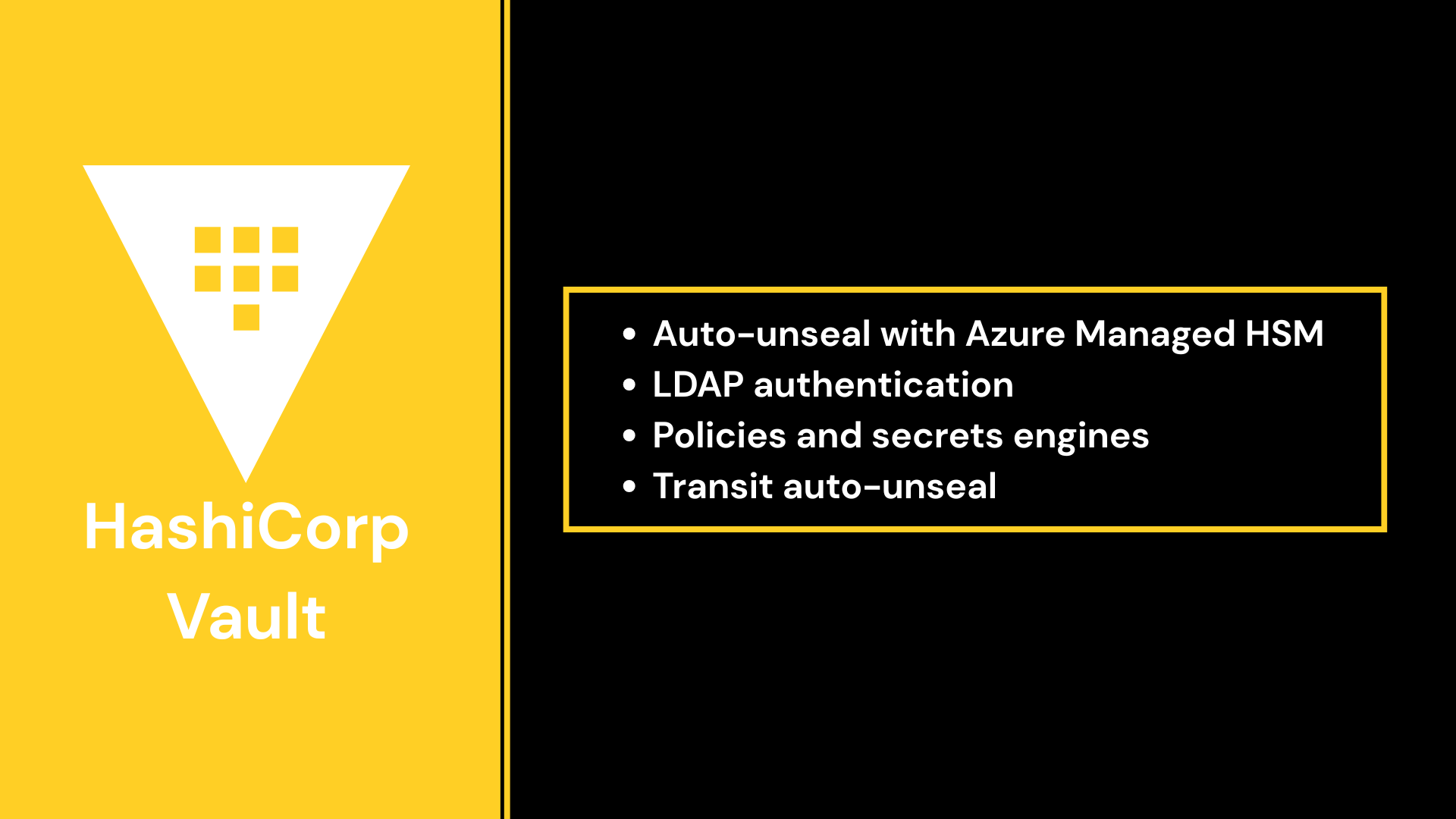
- HashiCorp Vault Lab: Auto-unseal, LDAP Auth, and Team Policies
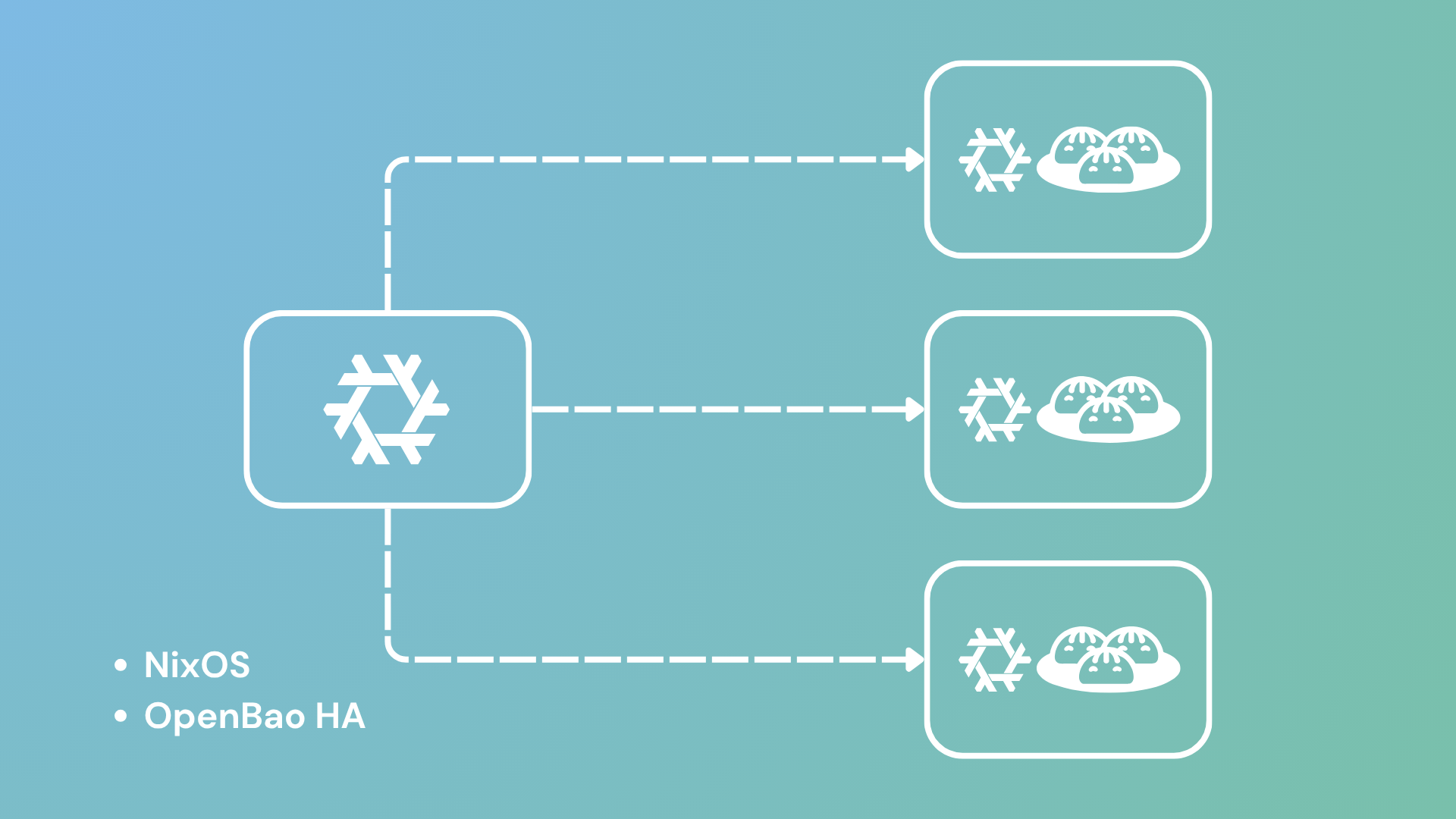
- A NixOS Control Plane and OpenBao in HA
How to become HashiCorp Certified Vault Associate?
Background
Fundamental IT engineering knowledge is enough, I believe: Linux, Docker, Cyber Security, Cryptography, Networking.
My Steps
1. The Initial Research
There are some useful pages on HashiCorp’s official website that are a must-read:
- https://developer.hashicorp.com/certifications/security-automation
- https://developer.hashicorp.com/vault/tutorials/associate-cert-003
- https://developer.hashicorp.com/vault/docs
- https://developer.hashicorp.com/vault/api-docs
I have checked a lot of Reddit posts on how others prepared for this, and I recommend you do the same. The only thing I disagreed on: paying for skillcertpro - I see no need.
I also found a very good course on Udemy that was really useful:
- HashiCorp Certified: Vault Associate 003 (w/ Hands-On Labs) by Bryan Krausen
- HashiCorp Certified: Vault Associate 003 - Practice Exams by him
2. The Course
First, I started listening to and practicing the course material. And most importantly, I took good notes for myself. I will not get into detail on why that is important.
The next thing is to get creative and ask questions that are not answered in the course. Some questions made me write blog posts. Others made me test simple mechanics of Vault myself. I also tried the FOSS alternative, the fork called OpenBao. Btw, it is 90-95% the same software in technical aspect.
Do not forget to complete the labs from the course on your own too.
The four practice exams from the course are also very exam-like. Note that some of their questions are not present in the course material, so they are a very useful source of additional information.
3. The Docs
Certainly read everything included in the syllabus, and everything linked in the documentation. It will be super beneficial:
- https://developer.hashicorp.com/vault/tutorials/associate-cert-003/associate-review-003
- https://developer.hashicorp.com/vault/tutorials/associate-cert-003/associate-study-003
4. The Notes
At the end, read your own notes fully, and afterwards read someone else’s notes fully. For example, I found this guy’s notes pretty useful:
5. The Exam
It is not that hard. The proctoring is mild: they will ask you to show the room, to remove anything restricted from the desk, and so on. The exam level is the same as Bryan’s exams, but the questions are different. There were about 2-3 questions that I was not sure about, but in total I managed to answer them all pretty well.
In the first 20 minutes, I answered all the questions, flagging the ones that got me struggling. In the next 20 minutes, I attempted the flagged ones again, leaving the 2-3 questions that I skipped. In the last 5 minutes, I started from the beginning, checking each question one by one to spot whether any answer got misclicked or something.
Finally, I think it evaluates the candidate’s knowledge fairly. I got the “pass” mark immediately, and the official credentials after 24 hours.